Health and Safety Policy for Carpet Cleaners Barnes
 This health and safety policy sets out the standards expected from professional carpet cleaners Barnes when carrying out cleaning work in homes, offices, and other occupied spaces. The aim is to protect workers, clients, visitors, and property by reducing risk at every stage of the job. A safe working approach supports consistent service quality, efficient operations, and a calm environment for everyone involved.
All carpet cleaning activities should begin with a simple but thorough risk assessment. Before any equipment is switched on, carpet cleaners in Barnes must inspect the work area for hazards such as trailing cables, wet floors, damaged flooring, poor ventilation, fragile furniture, and restricted access routes. If children, pets, or vulnerable individuals are present, additional precautions must be taken. Safety is not a separate task; it is part of the cleaning process itself.
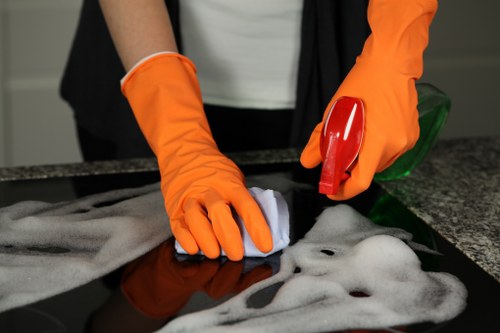 Staff must also be trained to use cleaning chemicals and machinery correctly. Only approved products should be used, and they should always be handled in line with manufacturer instructions. Protective gloves, slip-resistant footwear, and, where required, eye protection should be worn when handling detergents or operating extraction equipment. Good hygiene, correct dilution, and careful storage are essential to prevent accidents and reduce exposure to harmful substances.
Equipment maintenance is another key element of the policy. Machines, hoses, cords, brushes, and vacuum units must be checked before use to confirm they are clean, functional, and free from damage. Any fault, however small, should be reported and addressed immediately. Faulty equipment should never be used, as it increases the chance of electric shock, leakage, fire risk, or poor cleaning performance. Regular servicing also helps ensure that carpet cleaners Barnes can work safely and efficiently.
Manual handling practices must be followed to avoid strains and other musculoskeletal injuries. Lifting heavy machinery, moving furniture, and transporting water containers should be done using proper technique and, where possible, team support. Workers should assess the weight and shape of items before attempting to move them. If an object is too awkward or heavy, assistance or alternative arrangements should be used. Safe movement protects both staff and property.
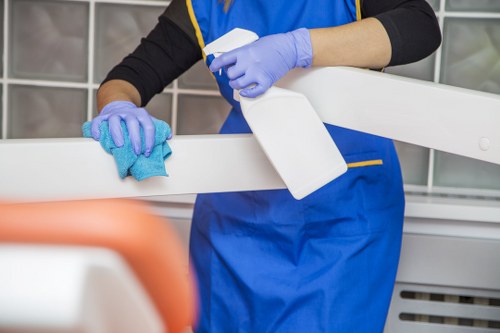 Slip and trip prevention is especially important during carpet cleaning because moisture, hoses, and cleaning activity can quickly create hazards. Floors should be kept as clear as possible, with warning signs placed where surfaces are wet or drying. Cables should be arranged carefully to avoid walkways, and walk-through areas should be monitored throughout the job. A tidy workspace helps carpet cleaners in Barnes maintain control and reduce the likelihood of injury.
Fire safety must also be considered, particularly when using electrical appliances and cleaning products. Flammable materials should be stored away from heat sources, and electrical sockets should never be overloaded. Equipment should be unplugged safely after use and allowed to cool if required. In addition, staff should know the basic emergency procedures for evacuation, first aid, and incident reporting. Preparedness ensures that a small issue does not become a serious event.
Protecting indoor air quality is another responsibility within this policy. Whenever cleaning products produce vapour or odour, ventilation should be improved by opening windows or doors where appropriate. Staff should avoid mixing chemicals, as this can create dangerous reactions or release harmful fumes. Safe chemical use means using the least hazardous product that can complete the task effectively. Careful application helps safeguard both occupants and workers, especially in enclosed rooms.
Hygiene and infection control should be maintained throughout all carpet cleaning services. Hands should be washed after handling waste, chemicals, or contaminated materials, and disposable items should be removed responsibly. Where waste water is collected, it must be contained and disposed of in a controlled manner. Equipment should be cleaned after each use to avoid cross-contamination between properties. These measures support a professional and sanitary working environment.
Training and supervision are central to implementing this policy. New staff should receive induction covering hazard awareness, safe operating procedures, emergency action, and personal protective equipment. Refresher training should be provided regularly to keep knowledge up to date. Supervisors should monitor working practices and encourage workers to raise concerns without delay. A strong safety culture depends on communication, accountability, and shared responsibility.
Accident and incident reporting should be prompt and accurate. Any injury, near miss, spill, equipment failure, or property damage must be documented and reviewed so that lessons can be learned. Reporting is not about blame; it is about improvement. By identifying patterns and responding early, carpet cleaners Barnes can reduce repeated risks and strengthen safe working methods across different sites.
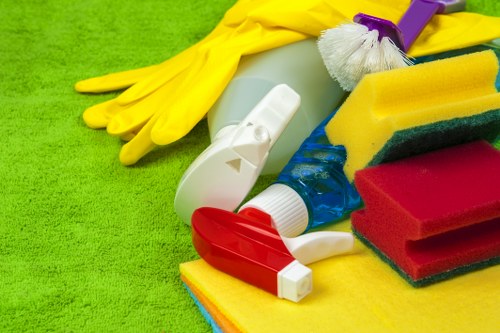 This policy should be reviewed regularly to reflect changes in equipment, products, work practices, and operational needs. Managers and staff should take part in periodic assessments to make sure the policy remains practical and effective. Continuous improvement helps ensure that safe standards remain part of everyday work, not just a written statement. When safety is built into planning, preparation, and delivery, everyone benefits.
 In summary, this health and safety policy provides a clear framework for responsible carpet cleaning operations. By focusing on assessment, training, protective equipment, safe handling, maintenance, hygiene, and emergency readiness, carpet cleaning Barnes services can reduce avoidable risks and maintain a reliable standard of care. Safety should guide every task, from arrival to completion, so that each cleaning job is completed with confidence, professionalism, and respect for the people and spaces involved.